

Special Offers
-
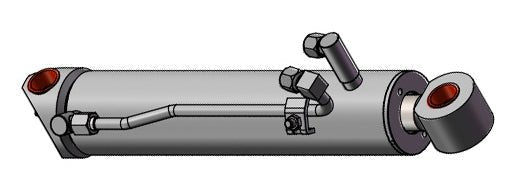
6589331 Aftermarket Bobcat Bucket Tilt Cylinder
Sale price $705.63Regular price $879.20 -

6809501 Aftermarket Bobcat Angle Control Cylinder
Regular price $360.76 -

7426745 Aftermarket Bobcat Boom Cylinder
Regular price $687.66 -
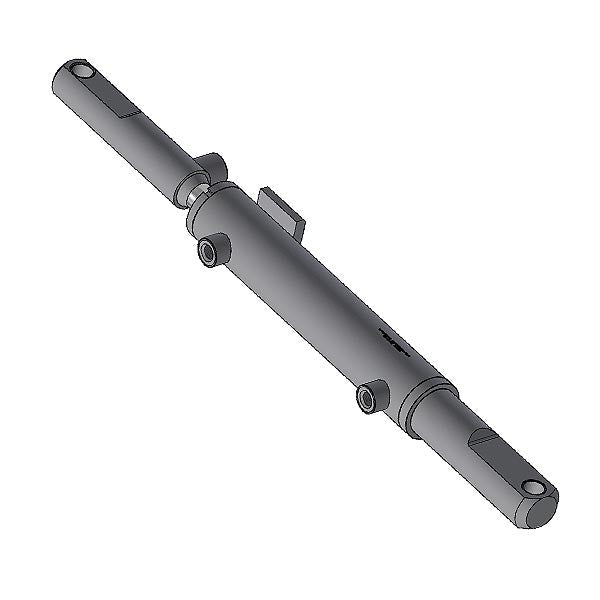
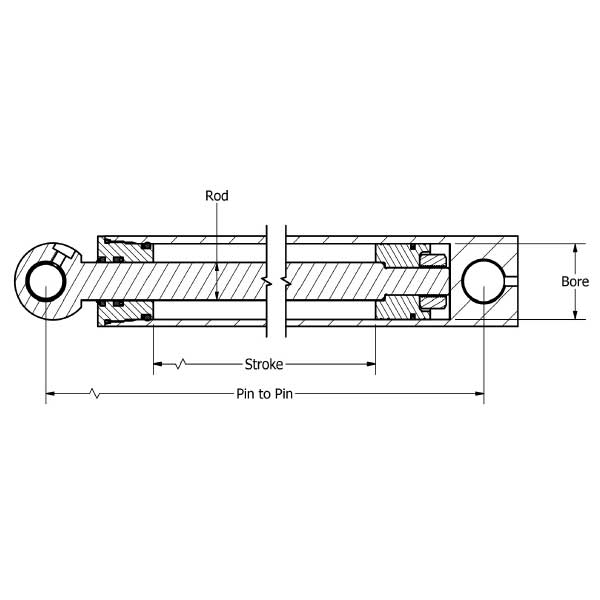
Takeuchi 604-0103 Hydraulic Thumb Cylinder
Sale price $858.40Regular price $1,105.99


-

HP16108 High Pressure Hose Assembly 1 Inch NPT x 1 Inch NPSM x 9 Foot Long
The High Pressure Hose Assembly from features 1 in. SAE 100R2 hose and is tested to handle high system pressures. This hose has a double layer of wire wrap specially designed to handle high pressure. It...Regular price $127.00Regular price $127.00 -

HP16132 High Pressure Hose Assembly 1 Inch NPT x 1 Inch NPSM x 11 Foot Long
The High Pressure Hose Assembly from features 1 in. SAE 100R2 hose and is tested to handle high system pressures. This hose has a double layer of wire wrap specially designed to handle high pressure. It...Regular price $134.24Regular price $134.24 -

HP16144 High Pressure Hose Assembly 1 Inch NPT x 1 Inch NPSM x 12 Foot Long
The High Pressure Hose Assembly from features 1 in. SAE 100R2 hose and is tested to handle high system pressures. This hose has a double layer of wire wrap specially designed to handle high pressure. It...Regular price $133.50Regular price $133.50 -

HP1672 High Pressure Hose Assembly 1 Inch NPT x 1 Inch NPSM x 6 Foot Long
The High Pressure Hose Assembly from features 1 in. SAE 100R2 hose and is tested to handle high system pressures. This hose has a double layer of wire wrap specially designed to handle high pressure. It...Regular price $99.29Regular price $99.29 -

HP1696 High Pressure Hose Assembly 1 Inch NPT x 1 Inch NPSM x 8 Foot Long
The High Pressure Hose Assembly from features 1 in. SAE 100R2 hose and is tested to handle high system pressures. This hose has a double layer of wire wrap specially designed to handle high pressure. It...Regular price $122.78Regular price $122.78


Hydraulic hose assemblies carry pressurized fluid between pumps, valves, cylinders, motors, and other components that keep hydraulic equipment working. The right assembly has to do more than connect two ports—it must match the fittings, handle system pressure, route correctly, and withstand the movement and working conditions of the equipment.
Union Hydraulics supplies high-pressure hydraulic hose assemblies for equipment repair, replacement, maintenance, and fluid-power applications. Our current selection includes preassembled 1-inch hydraulic hoses with NPT and NPSM connections in multiple lengths, giving maintenance teams and equipment owners a straightforward option when a properly configured replacement assembly is needed.
Choosing the Right Hydraulic Hose Assembly
A hydraulic hose assembly should be selected around the requirements of the system, not simply by matching the approximate size of the hose being replaced. Several specifications need to be confirmed before ordering.
Connection Type
Start by identifying the fittings at each end of the existing assembly.
Hydraulic systems use several different connection styles, including NPT, NPSM, JIC, ORB, and ORFS. These connections are not interchangeable simply because the thread diameter looks similar.
The hydraulic hose assemblies currently available from Union Hydraulics include NPT and NPSM connections. Verify both ends of the assembly before ordering and make sure the thread style matches the ports or components being connected.
If your repair also requires replacement connections, browse our hydraulic fittings for additional fitting and adapter options.
Hose Diameter
Hose inside diameter directly affects fluid flow and system performance. An undersized hose can restrict flow, increase fluid velocity and heat, and negatively affect equipment performance.
The assemblies in this collection use 1-inch hydraulic hose, making them suitable for applications requiring higher fluid volume than smaller hydraulic lines.
Working Pressure
Never select a hydraulic hose solely because the fittings and length match.
The complete assembly—including the hose and both end fittings—must be rated for the maximum working pressure of the hydraulic system. Pressure spikes, shock loads, temperature, and operating cycles should also be considered when evaluating an assembly for a demanding application.
Overall Length
Correct hose length is important for both installation and service life.
A hose that is too short can place excessive tension on the fittings when equipment moves. A hose that is unnecessarily long may sag, rub against surrounding components, kink, or create routing problems.
Our current high-pressure hose assemblies are available in several preconfigured lengths, including:
- 6 ft
- 8 ft
- 9 ft
- 11 ft
- 12 ft
Measure the existing assembly and consider the full range of machine movement before choosing a replacement.
Where Hydraulic Hose Assemblies Are Used
Hydraulic hose assemblies are found throughout mobile and stationary fluid-power systems. They provide a flexible connection wherever hydraulic fluid must move between components that may be separated by distance, vibration, movement, or difficult routing.
Typical applications include:
- Hydraulic cylinders
- Hydraulic pumps and power units
- Hydraulic motors
- Construction equipment
- Agricultural equipment
- Loaders and material-handling equipment
- Dump and lifting systems
- Industrial machinery
- Mobile hydraulic equipment
- Equipment repair and maintenance
When replacing a hose connected to a pump, cylinder, valve, or motor, inspect the adjoining ports and fittings at the same time. Damaged threads, worn sealing surfaces, or incorrect adapters can create leaks even when the new hose assembly is correct.
Union Hydraulics also carries hydraulic pumps, hydraulic cylinders, valves, fittings, and other components used throughout hydraulic systems.
What to Check Before Ordering
A few minutes spent verifying the existing hose can prevent the wrong assembly from reaching the machine.
Before ordering, confirm:
Hose inside diameter — Match the hydraulic flow requirements of the system.
Connection type on both ends — Identify NPT, NPSM, JIC, ORB, ORFS, or another connection style rather than relying on visual appearance.
Thread size — Similar-looking hydraulic fittings can use different thread dimensions and sealing methods.
Overall hose length — Measure the assembly in a way that accounts for the fitting configuration and installation.
Maximum working pressure — The assembly must be suitable for the hydraulic pressure and operating conditions of the equipment.
Routing and movement — Make sure the hose has sufficient length and flexibility without creating excessive slack, twisting, or abrasion.
Operating environment — Heat, vibration, outdoor exposure, oil, sharp edges, and continuous movement can all affect hose life.
Common Hydraulic Hose Replacement Mistakes
Hydraulic hose problems often begin with an incorrect replacement rather than a defective hose.
Avoid these common mistakes:
- Ordering based only on hose diameter
- Assuming similar-looking threads are interchangeable
- Confusing NPT with other hydraulic connection styles
- Reusing damaged or questionable adapters
- Choosing a hose that is too short for equipment movement
- Allowing excessive hose length to rub against machinery
- Ignoring system working pressure
- Installing a hose with excessive twisting
- Routing the assembly below its recommended bend radius
The objective is not simply to make the hose fit. A properly selected assembly should support reliable fluid flow while avoiding unnecessary stress on the hose, fittings, and connected hydraulic components.
Hydraulic Hose Assembly Inspection
Hydraulic hoses operate in environments where vibration, pressure cycles, movement, and abrasion are common. Periodic inspection can identify problems before they become equipment failures.
Watch for:
- Cracked or damaged outer covers
- Abrasion that exposes reinforcement
- Fluid seepage around fittings
- Kinks or flattened hose sections
- Excessive twisting
- Corrosion or fitting damage
- Blistering
- Heat damage
- Hose rubbing against equipment
- Movement at the fitting-to-hose connection
A leaking or visibly damaged hydraulic hose should be addressed promptly. High-pressure hydraulic fluid can create serious hazards, and a hose failure can quickly take equipment out of service.
Hydraulic Hose Assembly FAQs
What is a hydraulic hose assembly?
A hydraulic hose assembly consists of a hydraulic hose with end fittings permanently attached so the assembly can connect components and carry pressurized hydraulic fluid through the system.
What is the difference between hydraulic hose and a hydraulic hose assembly?
Hydraulic hose is the flexible hose itself. A hydraulic hose assembly includes the hose plus the installed fittings needed to connect it to hydraulic components.
How do I determine which hydraulic hose assembly I need?
Confirm the hose diameter, connection type on both ends, thread size, overall length, working pressure, and routing requirements of the equipment before ordering.
Can I replace an NPT hose assembly with a JIC hose assembly?
Not without changing the corresponding connections in the hydraulic system. NPT and JIC use different sealing methods and should not be treated as interchangeable fittings.
Why does hydraulic hose length matter?
The hose must be long enough to accommodate routing and equipment movement without being stretched, but not so long that it kinks, rubs, sags excessively, or interferes with other components.
Need Help Identifying a Hydraulic Hose Assembly?
If you are replacing an existing assembly and are unsure about the fitting style, thread size, hose diameter, or required length, contact Union Hydraulics before ordering.
Providing the existing hose dimensions, fitting information, equipment application, and any available part numbers can make identification much easier. Our goal is to help you narrow down the correct hydraulic hose assembly so you can get the equipment back in service without unnecessary trial and error.